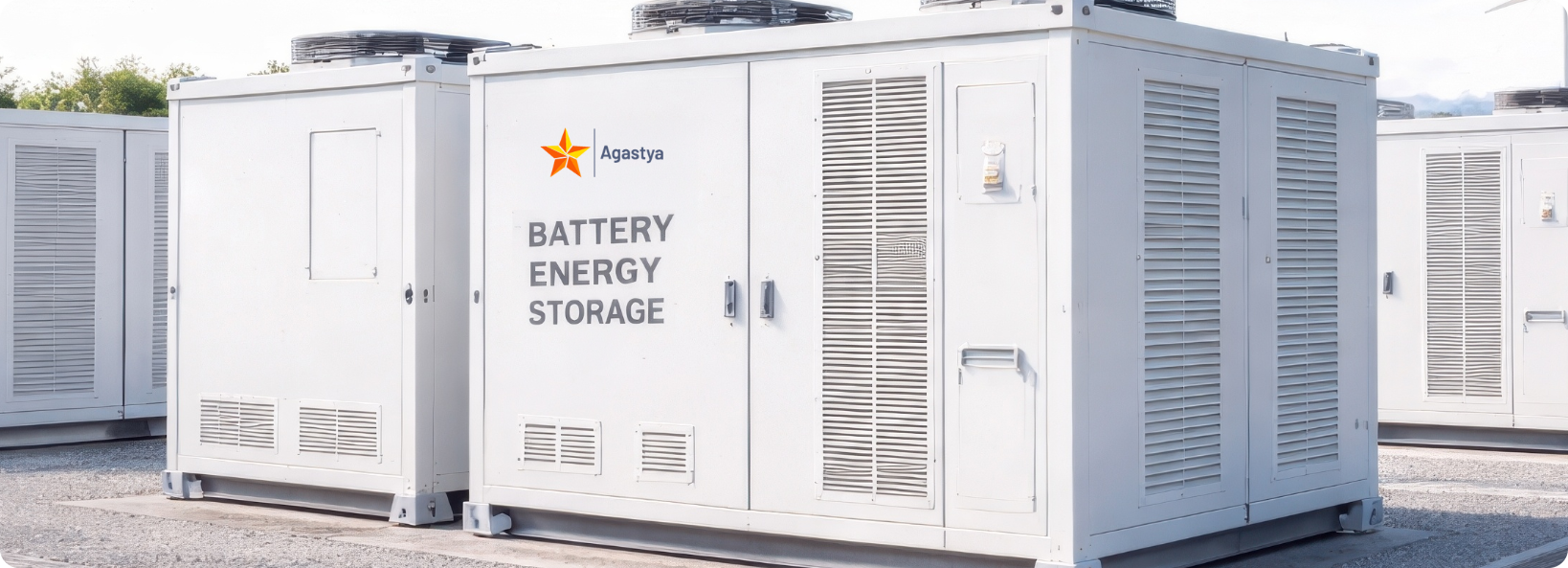
The role of battery energy storage in India’s renewable energy transition
India’s energy transition is unfolding alongside rapid economic growth, urbanisation and electrification. According to the International Energy Agency (IEA), electricity demand is expected to grow by an average of 6.4% annually through 2030, adding more than 570 TWh of consumption over the period. Rising cooling demand is expected to be a significant contributor to this growth.
Meeting this demand will require an electricity system that can reliably match supply with consumption. As solar and wind account for a larger share of generation, flexibility becomes increasingly important.
This is where battery energy storage systems are emerging as a critical component of India’s energy infrastructure.
Why battery storage matters
Renewable energy generation and electricity consumption do not always occur at the same time.
Solar generation is typically highest during the afternoon, while electricity demand often remains elevated into the evening. A battery storage system helps bridge this gap by storing electricity during periods of high generation and discharging it when demand increases.
In practice, this means renewable electricity generated during the day can be made available after sunset, improving the utilisation of clean energy and reducing dependence on conventional peaking power sources.
Beyond energy shifting, modern battery systems can respond rapidly to grid conditions, supporting frequency regulation, reserve capacity and other balancing requirements that help maintain grid stability.
Supporting renewable-energy expansion
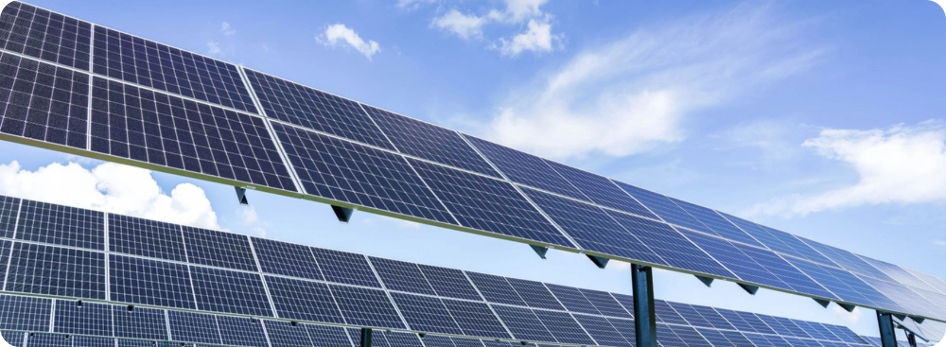
India has already achieved significant renewable-energy scale. According to the Ministry of New and Renewable Energy, installed solar capacity reached 168.04 GW and wind capacity reached 58.52 GW as of August 2026.
As renewable penetration increases, integrating this capacity efficiently becomes increasingly important. Storage can help reduce curtailment, improve renewable utilisation and provide greater operational flexibility across the power system.
The importance of storage is reflected in long-term power planning. The Central Electricity Authority estimates that integrating 364 GW of solar and 121 GW of wind capacity by 2031-32 will require nearly 74 GW of energy storage capacity, including more than 47 GW of battery energy storage.
Building the infrastructure for the next phase of growth
India’s renewable-energy ambitions are closely linked to broader development goals, including industrial growth, digital infrastructure, manufacturing expansion and rising living standards.
As electricity demand continues to grow, energy storage will become an increasingly important part of the infrastructure supporting that growth. The role of a battery energy storage system extends beyond supporting renewable generation. It strengthens grid reliability, improves system flexibility and helps ensure electricity is available when it is needed.
The next phase of India’s energy transition will not be defined solely by how much renewable capacity is installed, but by how effectively that energy can be stored, managed and delivered.